
Artificial intelligence (AI) has quietly entered nearly every aspect of our daily lives, from the phones in our pockets to the cars we drive and the platforms we stream. But one of the most surprising frontiers for AI is also one of the most intimate: sex.
This growing intersection of technology and sexuality (often called sextech) is challenging long-held assumptions about connection, pleasure, and even love. As cultural taboos soften and innovation accelerates, the idea of “AI sex” is shifting from science fiction to everyday reality. Yet this evolution brings both excitement and unease, raising questions about ethics, emotions, and the very nature of human intimacy.
What is AI Sex?
AI sex refers to the use of artificial intelligence in technologies designed to enhance or simulate intimacy, pleasure, and connection. It’s not limited to physical interaction and also includes emotional and psychological engagement through smart devices and digital platforms.
From smart sex toys that adapt to your body’s responses to AI chatbots that learn your emotional cues, these systems use machine learning to create deeply personalized experiences. Some blur the line between fantasy and reality, using AI-generated voices, faces, and personalities that evolve through interaction.
While fully sentient lovers remain a fantasy, the groundwork for artificial intimacy is already here and growing more sophisticated every year.
The Rise of Sextech and AI Development
That something that feels cold and cerebral like technology could intersect with the most human and physical experience of all, sex, feels like a contradiction, but it’s what’s happening. The sextech industry has exploded in the last decade, fueled by advances in robotics, data analytics, and human-machine interaction.
As AI capabilities mature, developers are embedding them into everything from connected devices to immersive platforms. Sex toys have become adaptive (they tailor the experience to the user’s response), virtual reality has become holistic (with devices that allow the users to feel what they see), sex dolls are getting more and more human traits like the ability to talk, chatbots learn the personality of the users and remember their ‘history’.
Startups and established brands alike are integrating AI to create more realistic, emotionally engaging, and tailored sexual experiences. Companies like RealDoll’s Harmony, Replika, and DreamGF are leading the charge, merging cutting-edge technology with the psychology of desire.
Smart Sex Toys & AI Mode Features
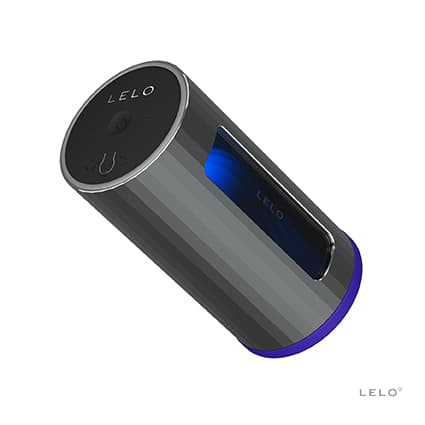
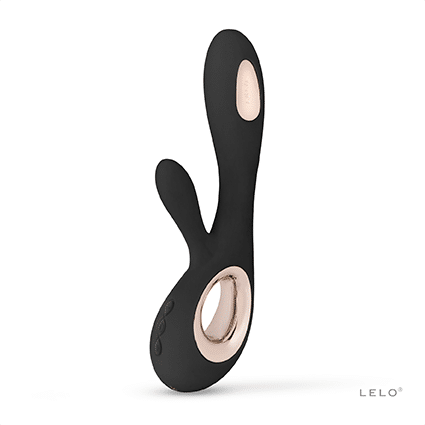
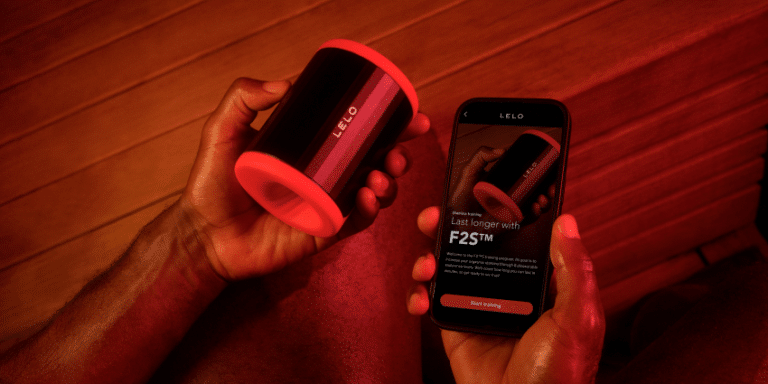
One of the most accessible examples of AI in sextech is the new generation of smart sex toys. These devices use AI modes to adjust to user preferences in real time, learning from data such as motion, pressure, and rhythm.
Key innovations include:
- Machine learning personalization: Devices “learn” your patterns and anticipate your preferences.
- Real-time feedback loops: Sensors collect data to adjust stimulation dynamically.
- Voice and app integration: Users can control experiences via smart assistants or partner apps.
These tools don’t just automate pleasure, they individualize it, offering a customized journey that evolves with each interaction.
Virtual Intimacy & AI Companions
Beyond the physical, virtual intimacy platforms are reimagining emotional and sexual connection in digital form. AI-powered chatbots and virtual lovers are designed to simulate companionship, conversation, and affection. You subscribe to a service, choose your ‘companion’ and start talking or chatting with it.
These companions can express empathy, remember personal details, and adapt to your communication style. For some, they serve as sources of comfort or practice for real-world relationships. For others, they may become preferred substitutes, leading to new forms of digital companionship.
The big question remains: does AI intimacy enhance human connection or replace it? The answer is difficult and nuanced. Some people find solace, entertainment and a chance for introspection in ‘talking’ to a digital entity but the risk to reject the real, raw world to take refuge in a reality built to feel safe is ever present.
AI Sex Robots and the Evolution of Artificial Intimacy
The most futuristic manifestation of AI sex lies in AI sex robots and AI-powered sex dolls. These lifelike humanoids combine robotics, responsive sensors, and conversational AI to simulate a partner capable of touch, talk, and “emotion.”
Recent breakthroughs include:
- Realistic facial expressions powered by micro-motors.
- Speech recognition and emotional tone adaptation.
- Customizable personalities through mobile or desktop apps.
While these innovations excite technophiles, they also raise psychological and ethical concerns. Some worry about the objectification of partners or reinforcement of unrealistic expectations. Others see potential benefits in therapeutic use — such as aiding those with trauma, disabilities, or social anxiety in exploring intimacy safely.
Ethical Dilemmas in AI Sex
As AI reshapes sexual experience, society faces new moral and legal questions.
Key concerns include:
- Consent: How do we define consent between humans and machines?
- Data privacy: Smart devices collect sensitive personal data. Who owns it?
- Emotional dependency: Can overreliance on AI intimacy harm real-world relationships?
- Representation and bias: Are we reinforcing stereotypes through AI partner design?
Some argue that AI sextech empowers people to explore safely and freely and that it can fill the void when human interaction is limited or not possible (imagine people living in remote areas or people who, for whatever reason, can’t or don’t want to be among others).
Others fear that emotional bonds with machines could erode empathy for real humans, who are much more imperfect, irritating and less prone to accept everything from us like a machine would. Policymakers are only beginning to grapple with these issues, but the conversation is growing louder.
The Future of AI and Human Intimacy
Looking ahead, experts predict a merging of AI development, neuroscience, and emotional analytics. Future trends may include:
- Neural interfaces that directly connect pleasure devices to brain signals.
- Immersive VR environments with ultra-realistic avatars.
- Synthetic emotions that allow AI to simulate empathy more authentically.
In the realm of sexual wellness, AI may also play a supportive role — helping couples improve communication, identify emotional needs, or even assist in therapy. It is already helping gather an unprecedented amount of data as people are way more keen to confide their sexual issues to a machine than to a human. And, in the same way, it’s helping spread knowledge on sexual matters as, again, we feel way more free to ask and engage in a space void of stigma, judgement and embarrassment.
The future of human intimacy could be not about choosing between human and machine, but about combining both in new, healthy ways.
Conclusion
While the application of AI to all things sexual has a never seen before potential to enhance our pleasure, deepen our relationships and widen our knowledge, we shall never forget that this inception comes with a very precise and not negligible set of challenges, like the risk of encouraging isolation, fostering incomprehension, and promoting rejection of the imperfection of the real, human experience, just to cite a few of them.
Certainly, the only way is forward, we cannot ignore the incredible progress of sextech, but we need to proceed within a path designed with ethical concerns in mind.
More than ever, it’s important that we imagine the future of sex with a curious, open and responsible attitude.
Discover pleasure with: