


Sexual trauma can profoundly shape how someone experiences intimacy, touch, vulnerability, and emotional closeness. For many survivors, the impact of trauma is not limited to memories of the past. It can also emerge in present-day relationships through fear, shutdown, hypervigilance, or difficulty remaining emotionally and physically present during intimacy.
Partners often misunderstand these reactions, interpreting withdrawal or discomfort as rejection, lack of attraction, or emotional distance. In reality, many trauma responses are rooted in the nervous system’s attempt to protect the survivor from perceived danger, even within loving and consensual relationships.
Supporting a partner through sexual trauma recovery is not about “fixing” them or forcing healing through patience alone. Rather, healing is built through emotional safety, predictability, collaboration, and respect for bodily autonomy. When intimacy becomes less focused on performance and more focused on trust, communication, and agency, relationships themselves can become spaces where healing feels possible.
Understanding Trauma Responses in Intimacy
Trauma responses during intimacy are often misunderstood because they do not always look the way people expect. Many survivors deeply desire connection and closeness while simultaneously experiencing nervous system reactions that make intimacy feel overwhelming, unsafe, or emotionally disorienting.
These responses are not signs that someone is “broken,” “dramatic,” or incapable of love. They are adaptive survival mechanisms developed to help the body endure experiences that once felt threatening or violating.
Common Trauma Responses
- One common trauma response is the freeze response, which is when the nervous system essentially immobilizes itself during stress. A survivor may become quiet, emotionally distant, tense, or unable to verbalize discomfort during intimacy. In some cases, they may continue engaging physically while internally feeling shut down or disconnected. Many survivors later blame themselves for “not speaking up,” despite the fact that freeze responses are involuntary nervous system reactions rather than conscious choices.
- Dissociation is another common, but often missed, immobilization response after sexual trauma. This can feel like mentally “checking out” during intimacy. A person may feel numb, detached from their body, emotionally absent, or as though they are watching the experience happen from outside themselves. Dissociation is often the nervous system’s way of reducing overwhelm when closeness feels emotionally or physiologically unsafe.
- Trauma can also create hypervigilance, where the brain is in a state of constant environmental scanning for threats, real or imagined. Even in safe relationships, survivors may tense during touch, overanalyze their partner’s tone or reactions, struggle to relax physically, or become startled by sudden movements or unexpected touch. This happens because the survivor’s brain threat-detection system (the amygdala) gets stuck in overdrive as a learned survival mechanism.
Understanding these responses can help partners move away from personalization and toward compassion. A survivor pulling away from touch, becoming activated during intimacy, or needing to stop is often experiencing a nervous system protective response, not rejecting their partner or even necessarily lacking desire for them.
The Pillars of Partner Support: Safety, Predictability, and Agency
Healing-centered intimacy is not built through pressure, persuasion, or “proving” safety quickly. It develops gradually through repeated experiences of consistency, respect, and collaboration. Three foundational pillars often help trauma survivors feel safer in intimate relationships: safety, predictability, and agency.
Safety
For many survivors, trauma disrupted their sense of bodily autonomy and emotional security. Because of this, safety is not created through words alone, it is created through consistent experiences over time.
Emotional safety may involve:
- Respecting boundaries without guilt or frustration
- Responding calmly to “no”
- Avoiding pressure for physical intimacy
- Validating emotional reactions rather than minimizing them
- Remaining emotionally steady during difficult moments
Emotional and physical safety are often deeply interconnected for trauma survivors. When the body perceives physical touch as respectful and fully consensual, it becomes easier for the nervous system to emotionally settle as well. Small experiences, such as asking before initiating touch, respecting pauses immediately, maintaining awareness of body language, or allowing the survivor to guide pacing and positioning, can help reinforce a sense of bodily autonomy and reduce feelings of vulnerability or overwhelm.
Predictability
Trauma often teaches the nervous system that closeness can become unsafe unexpectedly. Because of this, predictability can help reduce anxiety and hypervigilance during intimacy.
Checking in before escalating physical touch, discussing boundaries beforehand, and avoiding sudden or surprising sexual behavior can help the survivor’s nervous system remain grounded in the present moment.
This should look like:
- Asking before trying something new
- Verbally checking in during intimacy
- Discussing desires and boundaries outside the bedroom
- Slowing down transitions into physical touch
- Avoiding assumptions about consent based on past experiences
Agency
One of the most painful aspects of sexual trauma is the loss of control and bodily autonomy. Reclaiming agency can therefore become deeply healing.
This means the survivor has full permission to:
- Slow down
- Pause
- Change their mind
- Decline certain activities
- Renegotiate boundaries
- Stop intimacy entirely
Importantly, agency should not be treated as an inconvenience or obstacle to intimacy. Agency is what allows intimacy to feel genuinely consensual, emotionally safe, and connected.
When survivors experience relationships where their voice and boundaries are consistently honored, intimacy can begin to feel less like survival and more like choice.
Communication Strategies: Moving from “Are You Okay?” to Active Collaboration
Communication during trauma recovery often requires more nuance than simply asking whether someone is okay. During moments of activation, many survivors struggle to immediately identify or verbalize what they are feeling. Others may feel pressure to reassure their partner even when they are uncomfortable.
Because of this, communication works best when it becomes collaborative rather than performance-oriented.
Instead of urgently asking:
- “What’s wrong?”
- “Are you okay?”
- “Did I do something?”
Partners can offer grounding, non-pressuring statements such as:
- “We can slow down.”
- “There’s no pressure to continue.”
- “I’m here with you.”
- “What would help you feel safest right now?”
- “Would you prefer space, grounding, or comfort?”
These responses reduce the pressure to perform emotionally while reinforcing safety and choice.
Non-verbal communication can also be extremely important. Trauma activation can make speaking difficult, especially during freeze or dissociative states. Some couples find it helpful to establish signals ahead of time, such as:
- Squeezing a hand
- Tapping
- Moving a partner’s hand away
- Having a pre-established safe word
- Using gestures to indicate slowing down or stopping
These systems help reduce anxiety around needing to verbally explain distress in the moment.
It is also important to remember that healing is not defined by never becoming triggered. Even healthy relationships can activate old trauma wounds. What matters most is how couples respond afterward.
After difficult moments, supportive partners can help reduce shame by reinforcing that the survivor did nothing wrong. Gentle repair conversations, once both people feel regulated, can strengthen trust and emotional safety.
The Intersection of Pleasure and Healing
For many survivors, trauma creates a complicated relationship with pleasure, sensation, and embodiment. Some people feel disconnected from their bodies entirely, while others experience anxiety, numbness, guilt, or fear during intimacy.
Part of healing can involve slowly rebuilding a relationship with the body that is rooted in choice, curiosity, and self-trust rather than obligation or performance.
Pleasure-focused healing does not mean forcing sexual experiences before someone feels ready. Instead, it often involves creating opportunities to safely explore sensation, comfort, and bodily awareness at a manageable pace.
One therapeutic framework commonly recommended in sex therapy is sensate focus, which emphasizes mindful, non-goal-oriented touch. Rather than focusing on orgasm or performance, sensate focus encourages individuals and couples to pay attention to:
- Texture
- Temperature
- Pressure
- Breath
- Emotional reactions
- Bodily sensations
This approach can help shift intimacy away from performance anxiety and toward present-moment awareness.
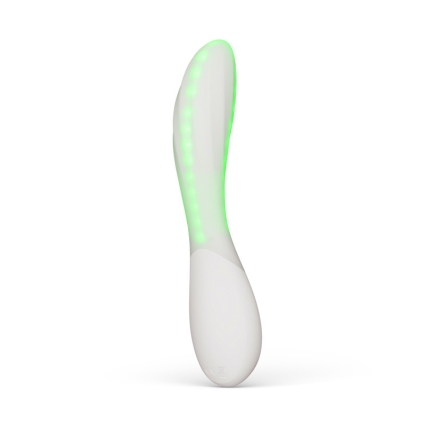
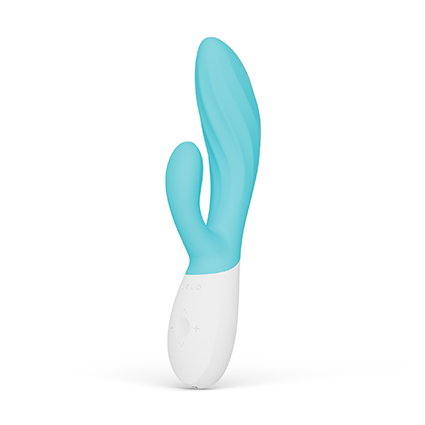
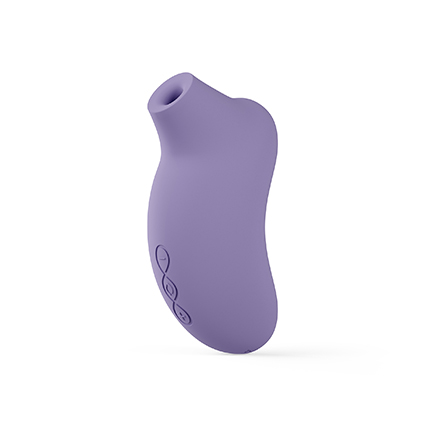
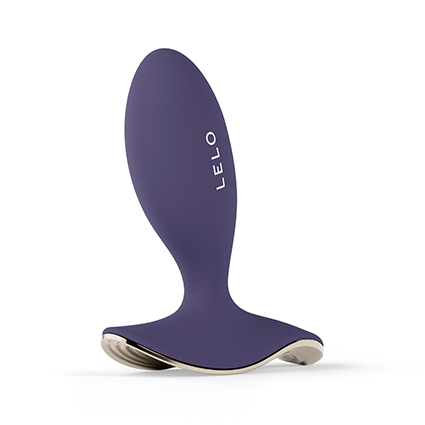
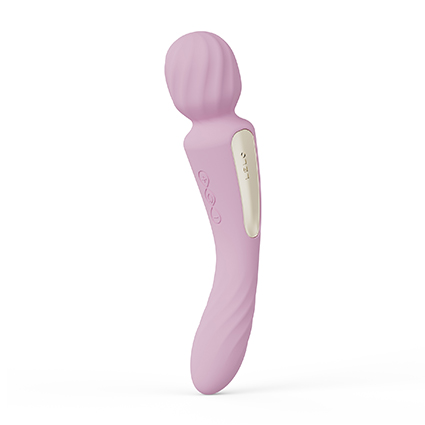
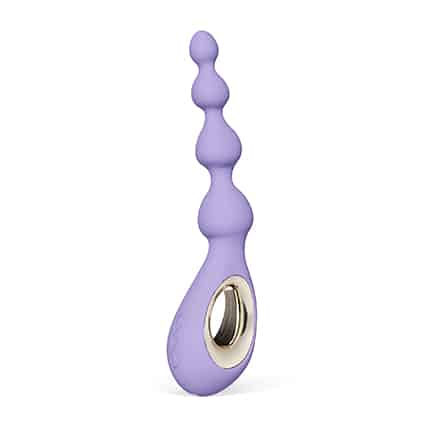
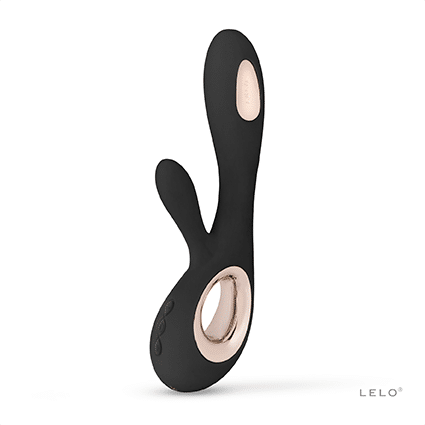
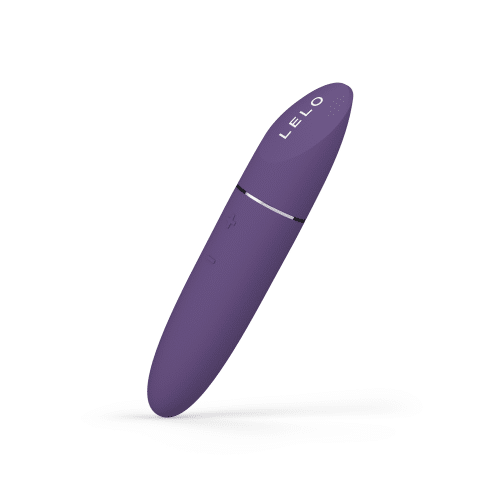
For some survivors, sensory tools or toys may also provide a structured way to explore pleasure with greater control and intentionality. Vibrators, massage tools, or other sensory-focused products can help individuals experiment with sensation gradually and collaboratively, without pressure to “perform” sexually.
When approached slowly and consensually, pleasure itself can become part of reclaiming bodily autonomy. Survivors are not only learning what feels unsafe, but they are also learning what feels good, grounding, empowering, and emotionally connected.
In this way, reclaiming pleasure can become more than a sexual experience. It can become a process of rebuilding trust with the body itself.
Conclusion
Supporting a partner through sexual trauma recovery requires patience, emotional attunement, and a willingness to move at the pace of safety rather than urgency. Healing is rarely linear, and moments of activation do not mean failure or lack of progress.
While partners cannot heal trauma for someone else, they can help create a relationship environment that supports recovery. Over time, these repeated experiences of safety can help intimacy feel less governed by fear and more grounded in trust, connection, and choice.
Enjoy 15% off LELO.com with code VOLONTE15