

It’s often said that you can have too much of a good thing, but when it comes to orgasms, we’re firm believers that the sky is the limit. While the “200 orgasms a year” health metric is a popular talking point in wellness circles, the truth is simpler: if it feels good and your body is game, why stop at one?
Historically, scientific research on female pleasure has lagged behind. However, recent shifts in sexual science are finally shedding light on the “O-factor.” Here is a refreshed, research-backed look at how to master the encore.
What Exactly Are Multiple Orgasms?
Definitions vary, but researchers generally categorize them into two types:
- Serial Sessions: Multiple orgasms occurring over a long period (an hour or two). Your arousal levels peak, drop back toward baseline, and then build up again from scratch.
- Sequential Bursts: Several orgasms occurring just minutes apart. In this case, your arousal only dips slightly before climbing again, creating a “wave” effect.
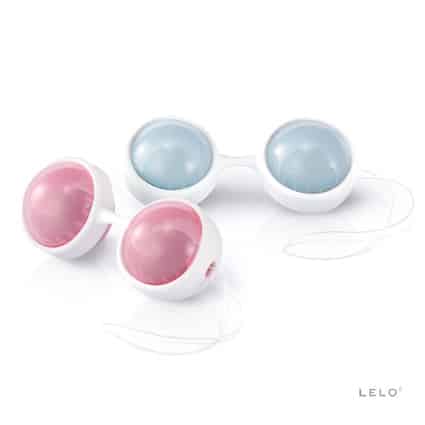
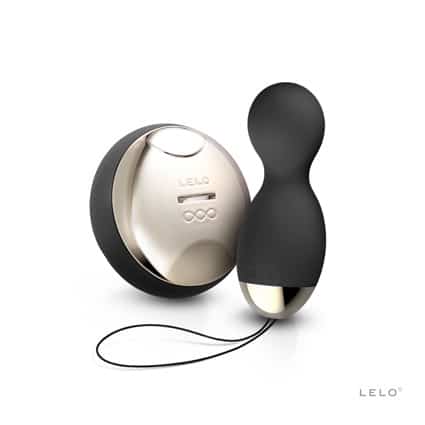
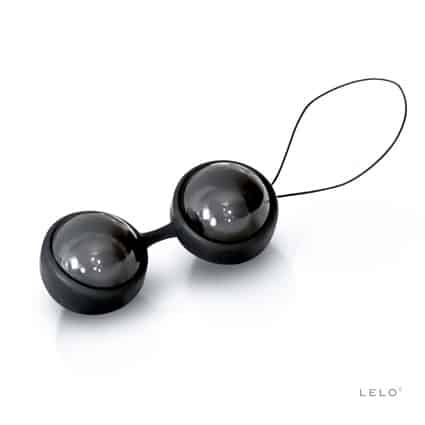
Physiologically, these are distinct experiences. While not everyone is “multi-orgasmic” by default, research suggests that the pelvic floor plays a massive role. Tools like weighted kegel balls or biofeedback trainers (like the LELO Smart Bead) help tone these muscles, making it easier to sustain the contractions that define an orgasm.
4 Steps To Prepare the Body
1. Slow Down and “Edge”
Comfort is the ultimate aphrodisiac. Beyond just tidying your room, try “edging“, or bringing yourself to the very brink of climax and then backing off. Doing this once or twice builds a “reservoir” of tension, making the eventual release more powerful and often easier to follow up.
2. The Mind-Body Connection
Your brain is your largest sex organ. Studies in sexual psychophysiology show that positive expectancy (actually believing you can have another) significantly impacts the physical outcome. If you go in thinking you’re a “one-and-done” person, your brain may signal your body to shut down arousal.
3. Clear the Goalposts
Paradoxically, the more you obsess over the second orgasm, the harder it is to reach. Shift from a goal-oriented mindset to a sensation-oriented one. Focus on the “now” rather than the “next.”
4. Vary the Technique, Not the Spot
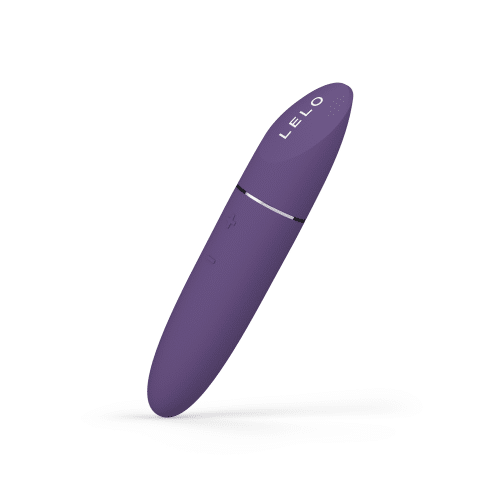
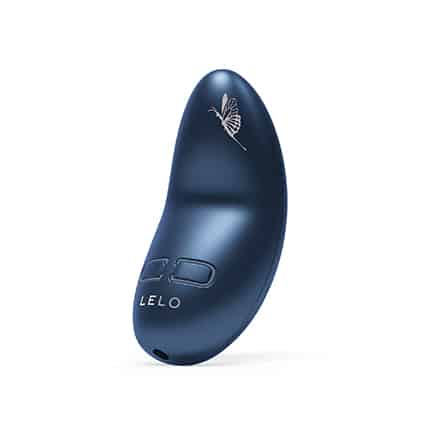
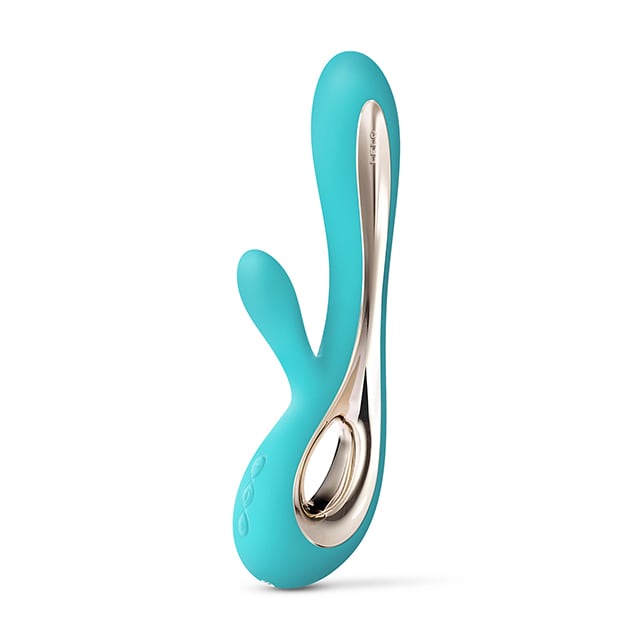
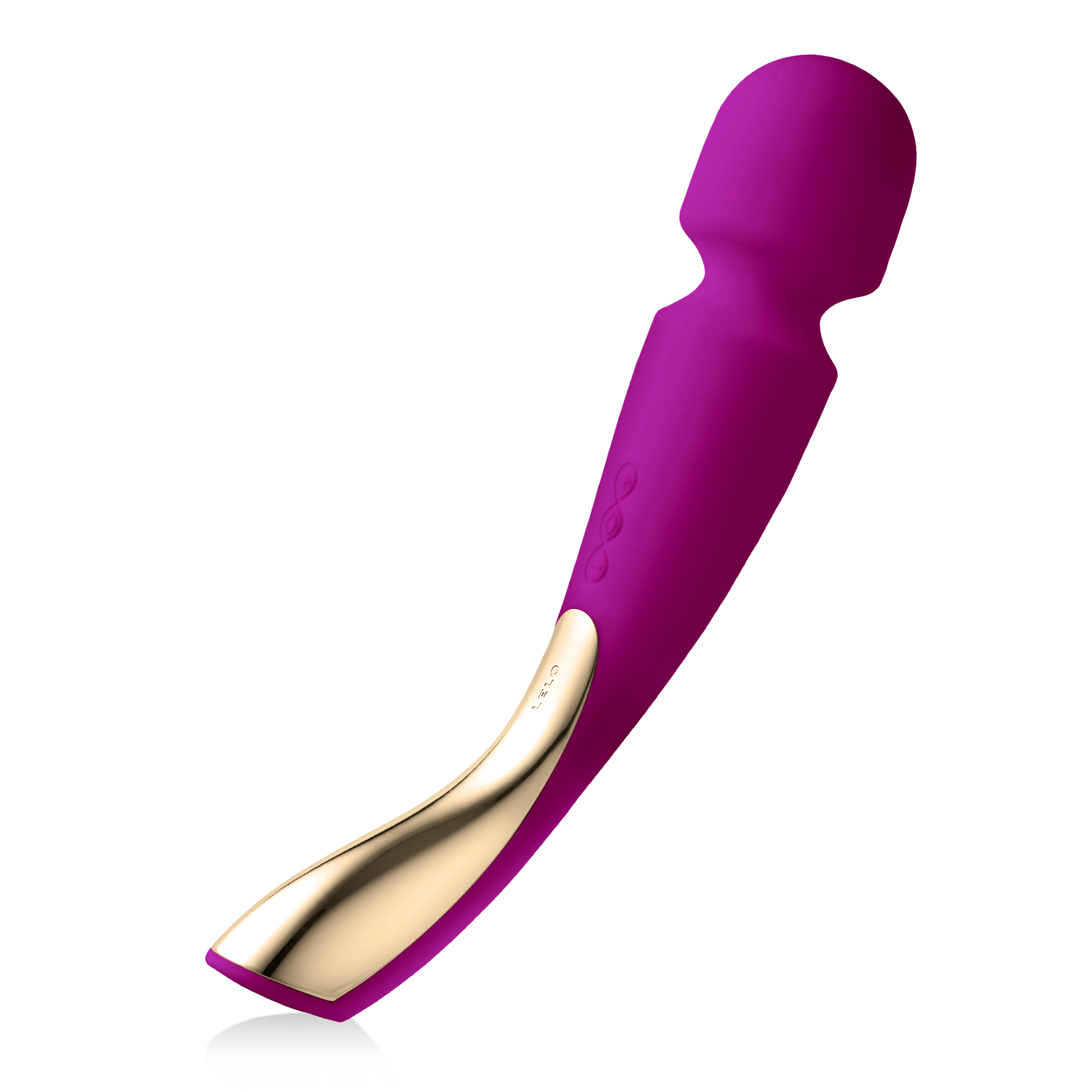
If you climaxed through clitoral stimulation, stay there but change the rhythm, pressure, or toy setting. Switching from a steady vibration to a pulsing one can “trick” the nerves into staying engaged without becoming overwhelmed.
Enjoy 15% off LELO.com with code VOLONTE15

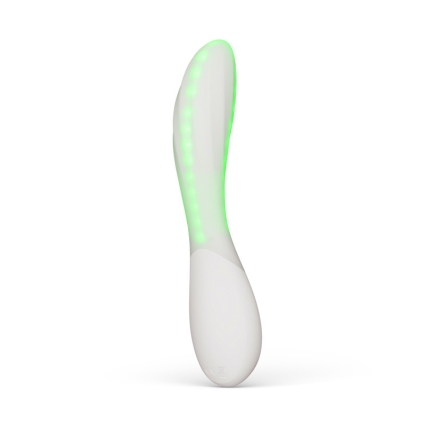
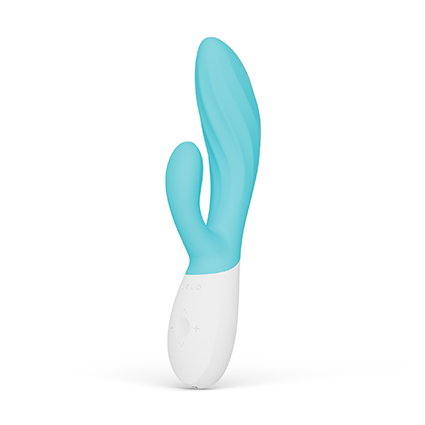
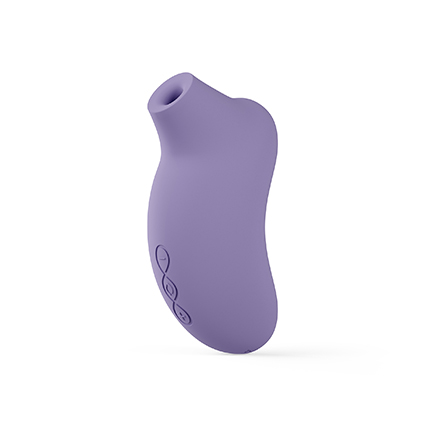
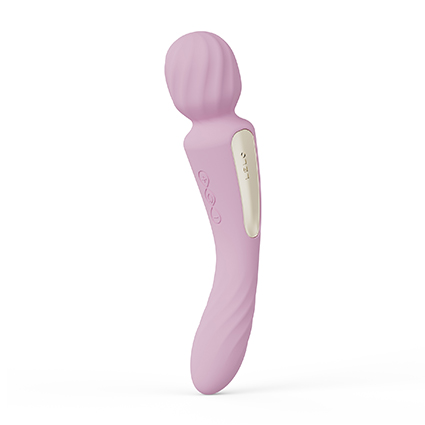



The Power of Breathwork
Think of your breath as the “volume knob” for your arousal. Many people instinctively hold their breath or take shallow sips of air as they approach a climax. While this builds tension, it can also lead to a sudden “crash” in energy once the release happens.
Practice “circular breathing”, or deep, rhythmic inhales and exhales without a pause at the top or bottom. This keeps your blood oxygenated and your nervous system engaged. By breathing through the first orgasm rather than holding your breath, you prevent your arousal from plummeting, making it much easier to bridge the gap into a second round of pleasure.
Dealing with Post-Orgasm Hypersensitivity
Many people experience a “don’t touch me!” phase immediately after climaxing. This is due to the refractory period and intense nerve sensitivity.
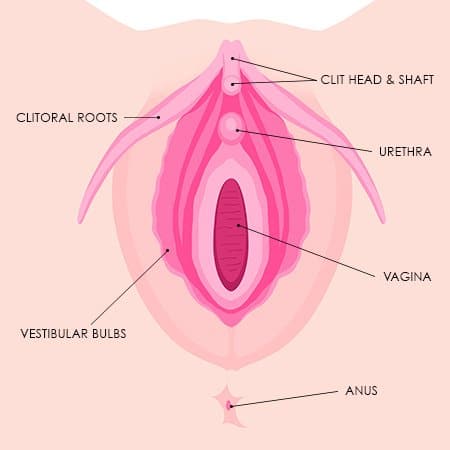
The Secret: The Vestibular Bulbs
Instead of stopping all touch (which causes arousal to plummet), move away from the clitoral glans and focus on the vestibular bulbs. These run along the sides of the vaginal opening, tucked under the labia.
- The Move: Use firm, diffused pressure or a broad-tipped vibrator on the outer labia and the sides of the vaginal entrance.
- The Result: This maintains your “arousal plateau” without the “ouch” factor of direct clitoral contact, keeping you primed for Round Two.
Frequently Asked Questions
| Question | Short Answer |
| How many women are multi-orgasmic? | Studies vary, but roughly 40-50% of women report having multiple orgasms at least occasionally. |
| Why is a vibrator more effective? | After the first orgasm, your nerves may require a higher threshold of stimulation to fire again. Vibrators provide the consistent, high-frequency intensity that manual stimulation often can’t match. |
| Is there a limit? | Biologically, there is no hard cap for women. In lab settings, women have recorded dozens of orgasms in an hour. Your limit is simply whenever you feel satisfied or physically tired. |
| Do orgasms get weaker? | Not necessarily! While some find the first is the peak, many report a “crescendo effect” where subsequent orgasms feel deeper and more full-bodied as blood flow to the pelvic region increases. |
Pelvic Fitness: The “Sexercise” Factor
Since an orgasm is essentially a series of rapid muscle contractions, a strong pelvic floor is your best friend.
- Increased Blood Flow: Stronger muscles mean better vascularity, which leads to higher sensitivity.
- Stronger Contractions: The “throb” you feel is the muscle working. Training with kegel devices or pelvic floor exercises ensures those contractions remain powerful enough to trigger a second (or third) release.
Whether you have one, ten, or just a really great time trying, the goal is always pleasure, not a participation trophy. Listen to your body, keep the communication open with your partner, and don’t be afraid to experiment.
The Landing: Aftercare
Whether you hit your “target” of multiple orgasms or just enjoyed the exploration, how you end the session matters. A massive hormonal shift occurs after climax – oxytocin (the cuddle hormone) and dopamine levels fluctuate, which can leave you feeling incredibly vulnerable or suddenly exhausted.
- Physical Recovery: Your body has just done a “sprint.” Rehydrate with water and consider a gentle stretch if your muscles feel tense.
- Emotional Connection: If you’re with a partner, spend a few minutes cuddling, doing skin-to-skin contact, or simply sharing a few words about what felt good.
- The Solo Version: If you’re riding solo, take five minutes to just lay still and feel the “afterglow” before jumping back into your to-do list. This solidifies the mind-body connection you just worked so hard to build.
Ultimately, remember that the goal isn’t to hit a specific number or perform a checklist, but to deepen your connection with your own body. Keep your mind open, your breath steady, and let the pleasure be its own reward.