

We’ve seen it mentioned in TV shows, movies, and in songs. Think Rihanna: “Sex in the air, I don’t care, I love the smell of it”.
And possibly you’ve even experienced it for yourself… sex has a smell!
Yes, indeed, sex can have a distinct smell, and it’s completely normal (as long as both partners have good hygiene and no infections). The scent comes from a mix of natural body fluids, sweat, hormones, and friction.
But how, exactly? An interesting topic for sure, so we’re going to break down all the ways in which sexual odour is brought about.
The “Sex Smell”: The Biology
During arousal, the body produces more moisture, such as sweat, vaginal fluid, pre-ejaculation, and semen. Each of these fluids has its own chemistry, mainly amino acids, fatty acids, and hormones, which interact with the skin’s natural bacteria.
When this mix is warmed by body heat and friction, volatile organic compounds (VOCs), which are chemicals that evaporate easily into the air at room temperature, create that “after sex” scent.
This smell is unique to each person, and depends on their diet, hormone balance, hygiene habits, and even genetics.
Having said that, let’s get into more detail about how the sex smell comes about.
8 Factors That Influence Your Sex Smell
1. Bodily Fluids
During sex, vaginal fluids, semen, and sweat mix together. Every person’s body chemistry is different, but the way in which these fluids smell often depend on one’s diet, hydration, and hormones.
For example, vaginal fluid contains lactic acid, proteins, and natural sugars that create a slightly acidic, tangy, or musky smell—which is normal.
Semen is alkaline and rich in proteins and minerals. When combined with vaginal fluid, the change in pH can make the smell sharper or more noticeable.
Then, sweat that comes from the groin or underarms contain fatty compounds that skin bacteria break down into mild musky scents.
Additionally, lubrication fluid and pre-ejaculation have small amounts of salts and amino acids that also influence scent.
A healthy, temporary mixture of these fluids usually smell musky or earthy, and should fade with washing.
2. Hormones and Pheromones
Sex releases natural chemicals called pheromones (chemical substances that are released, influencing the behaviour or psychology of others). Pheromones can influence attraction and smell, and it is these plus hormones that can create the “after-sex” scent that some describe as being earthy or warm.
For women, these hormones are at play; estrogen, progesterone, and testosterone. These all affect how much moisture and oil the body produces. Around ovulation, there are higher levels of estrogen which can make vaginal secretions more abundant and slightly sweeter-smelling.
For men, when they sweat, it contains steroid compounds that bacteria convert into subtle pheromones influencing perceived attraction. These scents are part of natural sexual communication, albeit not being very strong, but they can be noticeable in close contact.
3. Friction and Heat
With friction and an increased body temperature that happens during sex, especially in the groin area, there can be a mildly salty or skin-like aroma. This odour can be stronger if one is wearing tight clothing or having long sessions without air circulation, because bacteria thrives in moist and warm environments. Synthetic or other non-breathable materials are not suggested, and douching the vagina should be avoided as it can disrupt the natural environment and pH, worsening odour later.
4. Condoms and Lubrication
Latex, flavoured condoms, or certain lubes can add a rubbery, fruity, or chemical-like odour because of its residual compounds, which is completely harmless but indeed noticeable.
5. Diet and Hydration
What you eat can affect your sex smell. For example, diets that are high in onion, garlic, red meat, or alcohol, can make body odour stronger. On the other hand, fruits such as pineapple and citrus, herbs, and plenty of water tend to make odours milder. Drinking enough water is important as it dilutes bodily fluids and keeps pH stable.
6. Menstrual Cycle and Semen Residue
Menstrual blood contains iron and protein that oxidizes when exposed to air, giving it a metallic scent. Similarly, leftover semen can slightly alter the vagina’s pH and odour for a few hours after sex.
7. Medications and Stress
There are some medicines or vitamins (especially B-complex) and hormonal contraceptives that may change one’s sweat composition. As per stress, cortisol (the ‘stress’ hormone) is released when one feels stressed, which can increase sweat output and shift body odour slightly.
8. Sex Toys
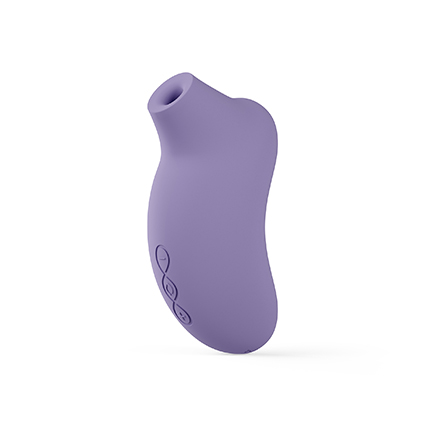
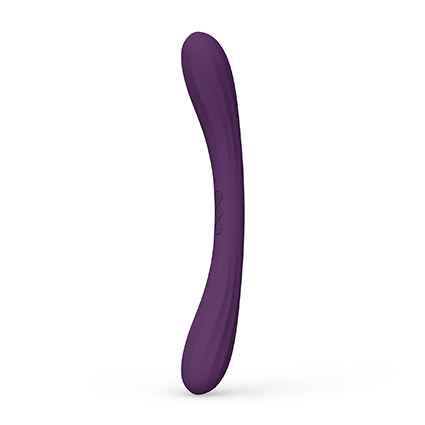
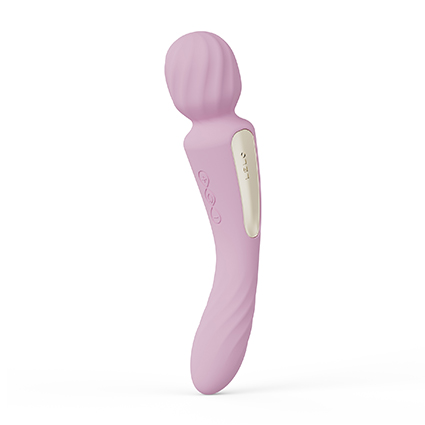
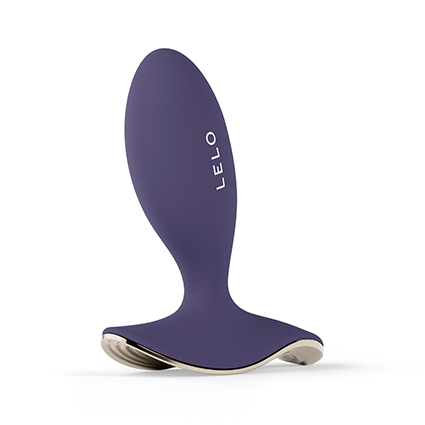
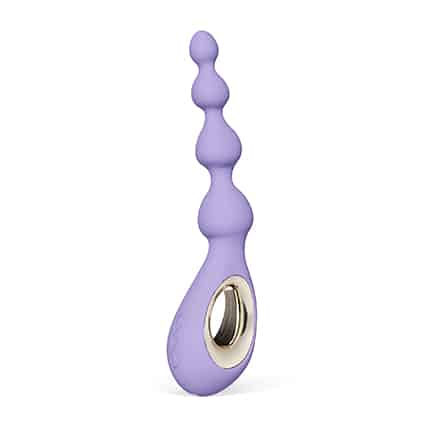
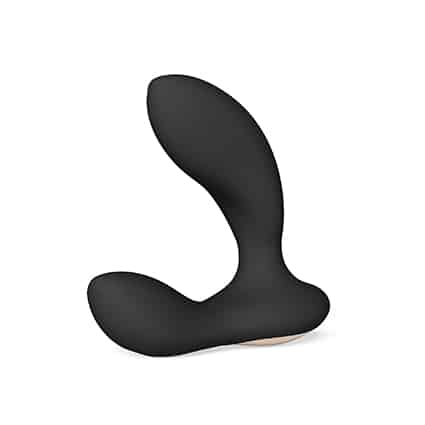
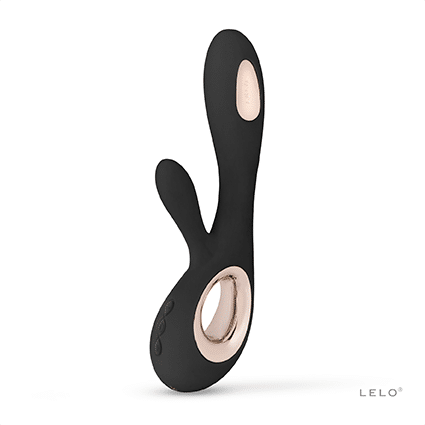
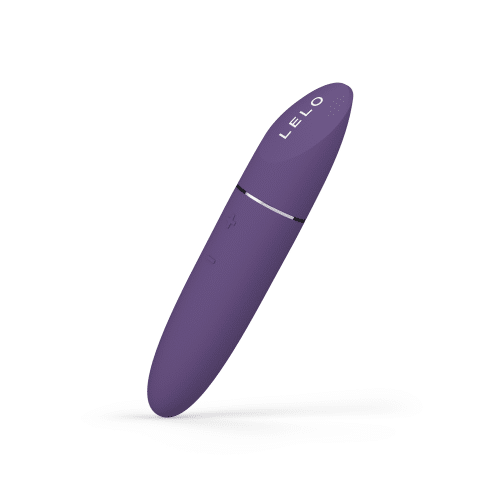
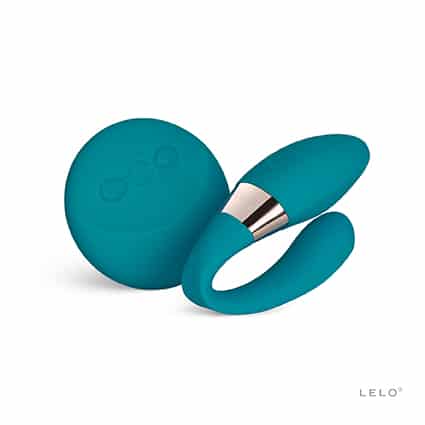
We love sex toys, of course, but when bodily fluids such as vaginal, semen, pre-ejaculate, and lubrication get absorbed or cling to toy surfaces, it can mix with bacteria, producing a musky, sour, or slightly sweet smell. We strongly advise against porous sex toys, as they can trap bacteria, even after washing. Bacteria can lead to a strong or persistent odour, and in some cases, infections if reused without thoroughly cleaning. And for storage, keep them in individual pouches or storage, in a cool, dry place.
When Sex Odor Is a Problem
Hygiene and Health Factors
If you notice a smell that’s strong or sour and that doesn’t go away after showering, it could signify an infection or imbalance, such as bacterial vaginosis, a yeast infection, or poor hygiene. In this case, a check-up is a good idea.
Bacteria and pH
A healthy vagina, for example, keeps at a slightly acidic pH, which is around 3.8 to 4.5. This pH level limits harmful microbes and gives off a milk, tangy scent that’s perfectly normal. But, if the pH is disrupted and becomes less acidic, it could smell more fishy or metallic, especially after sex, menstruation, or during antibiotic use.
For men, the genital area can also develop a strong smell because of sweat and smegma (a substance composed of shed skin cells, oils, and moisture) build up, since bacteria break down those secretions in odorous compounds.
Unusual Color or Consistency of Fluids
Vaginal discharge that’s grey, green, thick, or curd-like can come with a bad odour, and could point to infections like bacterial vaginosis or a yeast infection. For men, pus, discolouration, or a foul-smelling discharge could mean urethritis (an inflammation in the urethra) or balanitis (inflammation or pain on the head of the penis).
Repeated Odor Changes
If there is a consistent odour change or a smell that’s intensified after sex, even with good hygiene, it could indicate a chronic imbalance in vagina flora, skin bacteria, or semen-related changes.
Odors Related to Health Conditions
- A fishy smell: with thin grey discharge, could be bacterial vaginosis
- A yeasty or bread-like odour: with thick discharge and itching, could be a yeast infection
- A strong or musty odour: with unusual discharge and irritation, could be a sexually transmitted infection (STI)
- A strong sour or ammonia smell: could be because of poor hygiene or excessive sweating
Odour indications that require medical attention: if odour is accompanied with pain, bleeding, or abnormal discharge, is sudden, strong, and foul and persists for more than a day or two, is recurrent despite good hygiene, or comes with fever or other symptoms, medical attention is important.
5 Ways To Keep Genital Odor Healthy Before and After Sex
1. Proper Post-Sex Hygiene
Gently wash your genitals with warm water and mild, unscented soap. Avoid harsh soaps or perfumed washes, as they can disrupt the natural pH.
2. Clothing Choices
Wear breathable fabrics such as cotton underwear which will reduce moisture accumulation and bacterial growth. Avoid tight-fitted clothing such as tight pants made of synthetic materials, as it can trap heat and sweat, intensifying odour. Change into fresh underwear or clothes after sweaty or wet sex to prevent prolonged bacterial activity.
3. Diet and Hydration
Stay hydrated as water dilutes urine and bodily secretions, keeping odours milder. Eat a balanced diet with fruit, vegetables, and whole grains to promote a healthy gut. Limit odour-intensifying foods like excess garlic, onion, red meat, alcohol, and spicy food. Include probiotic foods in your diet, such as yogurt or fermented foods, which will help maintain gut and vaginal flora.
4. Maintain a Healthy Microbiome
Avoid douching or harsh cleaners as they kill beneficial bacteria and increase the risk of bacterial imbalance or infections.
5. Lifestyle Habits
Regular exercise is good, and it’s normal to sweat, but be sure to shower afterwards to prevent bacterial growth. Try stress management techniques, like yoga, or meditation, as chronic stress can alter hormones and sweat composition, potentially increasing body odour. Get a good night’s rest as poor sleep can affect hormone regulation, indirectly impacting sweat and secretions.
6. Wash Your Sex Toys Properly
If you’re using sex toys, you should be washing them immediately after use with warm water and mild, unscented soap, or a toy-specific cleaner. Then, dry it thoroughly by patting it with a clean towel or let it air-dry before storing. Additionally, if you see material degradation, it’s time to replace your sex toy.
At LELO, we only sell non-porous sex toys made of high quality silicone. All that’s required of you is to upkeep washing them after use, and storing them correctly.
So there it is, sex definitely has a smell. And there are so many factors that can influence it. With these tips, you can surely keep your sex smell to something erotic and energising, creating intimate moments between you and your partner.
Enjoy 15% off LELO.com with code VOLONTE15